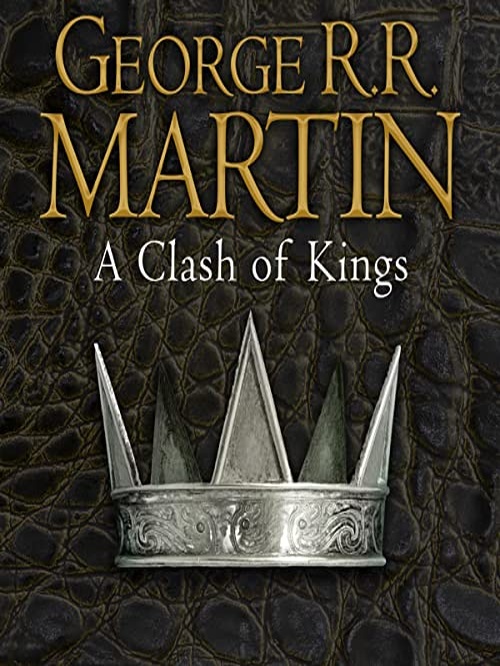
The Unfolding Tapestry of Kingship and Chaos: A Deep Dive into A Clash of Kings
In the annals of fantasy literature, few sagas have etched themselves into the collective consciousness with the indelible force of A Song of Ice and Fire. Following the seismic shifts of its predecessor, A Clash of Kings by George R.R. Martin does not merely continue the narrative; it elevates the foundational tremors into a full-blown seismic event, reshaping the very landscape of Westeros and, indeed, our expectations of the genre itself. We are plunged headlong into a world where the precarious balance of power has irrevocably shattered, and the stakes for every soul, from peasant to king, have become impossibly high.
Navigating the Charybdis of Crown and Consequence
A Clash of Kings distinguishes itself not merely through its expansive scope but through its unflinching examination of the moral calculus demanded by leadership amidst existential threat. Here, Martin refines his intricate narrative architecture, deftly weaving together disparate threads that illuminate the multifaceted nature of governance and ambition. The titular clash is not solely between armies, but between competing ideologies of rule, each championed by flawed individuals convinced of their own divine right or pragmatic necessity. We witness the brutal pragmatism of Stannis Baratheon, the unsettling messianic fervor surrounding Daenerys Targaryen, the cunning manipulations of the Lannisters, and the tragic heroism of the Stark children, each narrative strand contributing to a tapestry of bewildering complexity. This is not a tale of clear-cut heroes and villains, but rather a profound meditation on the corrosive nature of power and the terrifying burden of sovereignty.
Martin’s genius lies in his refusal to simplify. The strategic brilliance of Tyrion Lannister, for instance, is presented alongside his personal vulnerabilities and the societal prejudices he faces, making him a figure of compelling paradox. Similarly, the burgeoning sense of self in Arya Stark, forced into a harsh education in survival and subterfuge, transcends typical character arcs to explore the psychological toll of trauma and adaptation. These aren’t just characters; they are studies in human resilience and depravity, their choices rippling through the land with devastating consequence. The novel forces us to confront uncomfortable truths about justice, loyalty, and the seductive allure of absolute power, often leaving us to ponder if any victory can ever truly be clean in such a morally compromised world.
Furthermore, the expansion of the known world — from the brutal, ancient lands beyond the Wall, where Martin delves deeper into the chilling mythos of the Others, to the exotic, mercantile city of Qarth — serves not just as exotic scenery but as crucial context for the global implications of Westeros’s internal strife. The growing supernatural elements are seamlessly integrated, reminding us that the human squabbles, however grand, are but one facet of a larger, more ancient struggle for the very fate of the world. This contextualization enriches the thematic depth, adding layers of cosmic dread to the all-too-human political machinations.
The Weight of a World in Turmoil
To immerse oneself in A Clash of Kings is to undertake a journey of intellectual and emotional rigour. It is a work that demands patience and rewards scrutiny, unraveling its layers like a historical document rather than a simple fantasy novel. The prose, while not overtly florid, possesses a vivid, almost painterly quality, particularly in its descriptions of battle, landscape, and the inner turmoil of its sprawling cast. Martin uses language with precision, crafting scenes that resonate with visceral impact and profound psychological insight. We are not merely observers but rather embedded within the shifting allegiances and perilous campaigns, feeling the bite of winter and the heat of ambition.
This is a book for the discerning reader who appreciates a narrative that eschews easy answers and embraces the sprawling, often contradictory nature of human experience. It is for those who find intellectual pleasure in dissecting political intrigue, exploring the nuances of character development, and contemplating the broader philosophical questions embedded within a richly imagined secondary world. If your reading tastes lean towards the intricate tapestries of historical fiction, the moral quandaries of philosophical novels, or the epic scope of classic literature, then A Clash of Kings offers a rewarding, albeit challenging, engagement.
Ultimately, A Clash of Kings is far more than just the second act in a fantasy saga; it is a masterclass in world-building and character-driven storytelling, cementing George R.R. Martin‘s place as a modern literary titan. It invites us not just to read, but to ponder the true cost of ambition, the fragility of order, and what, if anything, remains sacred when a world plunges into chaos. What, we are compelled to ask, defines a king in an age where all crowns are forged in blood and betrayal?