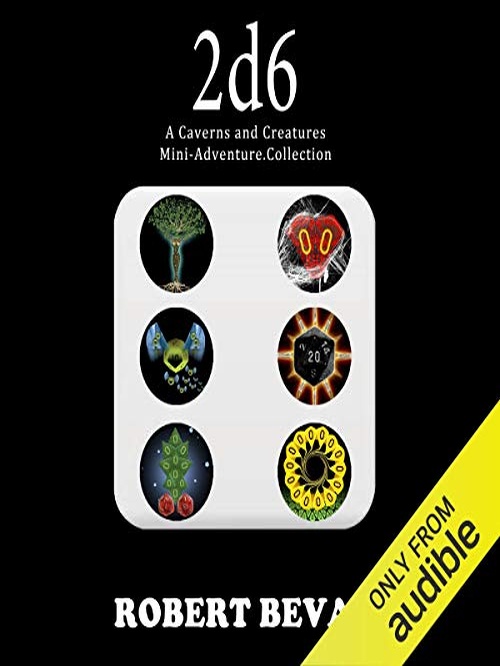
Subverting the Sacred Dice: A Critical Examination of Robert Bevan’s ‘2d6’
We often turn to Fantasy to escape the mundane, seeking heroic epics and moral clarity. Yet, in 2d6, a collection of six short stories within the Caverns and Creatures series, Robert Bevan dismantles these grand tropes with vulgar, satirical glee. This collection presents a fascinating case study in lowbrow comedy executed with surprising narrative precision, forcing a confrontation between traditional heroic archetypes and the harsh reality of human pettiness.
The Poetry of the Profane
Bevan’s work sits at the intersection of tabletop gaming culture and bathroom humor. While initial glances might dismiss stories like “Sticky White Mess” or “Cornholed” as mere juvenile antics, a deeper analysis reveals a keen understanding of group dynamics. The characters are not heroes; they are deeply flawed modern gamers trapped in a fantasy world, reacting not with noble valor but with base self-preservation.
This incongruity drives the humor, creating a visceral impact that challenges the reader’s expectations of the genre. The narrative arc of each short story relies on the friction between high-fantasy settings and the low-fantasy morality of the protagonists. It is a paradigmatic shift from the idealized escapism of Tolkien to the gritty, cynical realism of modern gaming subculture.
Sonic Delivery and Narrative Pacing
The auditory dimension of this collection, narrated by Jonathan Sleep, merits scholarly attention. Sleep’s performance acts as a critical conduit for Bevan’s prose, translating the rhythmic vulgarity of the dialogue into a cohesive auditory experience. The six-hour duration is episodic yet tightly paced, avoiding the narrative fatigue that often plagues longer comedy anthologies.
“Cooper’s Christmas Carol” stands out as a highlight, offering a cynical, genre-savvy deconstruction of Dickensian tropes. It showcases Bevan’s ability to structure parody effectively within a constrained format, demonstrating an unexpected intellectual rigour beneath the crass exterior.
The Verdict on LitRPG Satire
Ultimately, 2d6 is a loud, chaotic counterpoint to high fantasy. It is not for the faint of heart or the easily offended. For scholars of contemporary digital culture and LitRPG, it represents a crucial, albeit sticky, milestone in self-published satire.
Ideal Audience: Perfect for tabletop roleplayers who appreciate dark, irreverent humor and prefer their fantasy devoid of moral posturing.
A Final Thought: Does the subversion of fantasy tropes in LitRPG reflect a growing cultural cynicism toward traditional heroic narratives, or is it merely the ultimate form of escapist play?