Adaptive Review

Navigating the Labyrinth of Liberty: A Close Reading of Adaptive

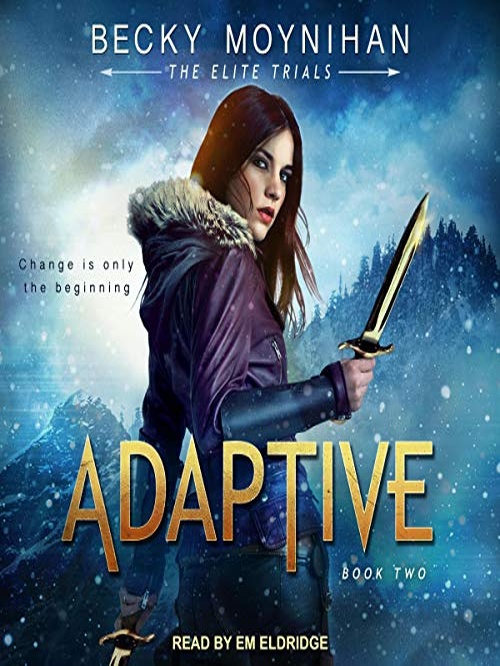
In an era saturated with tales of rebellion and post-apocalyptic resilience, Adaptive, the latest installment in [[Elite Trials]] by [[Becky Moynihan]], presents a refreshingly complex examination of what it truly means to be free. We are often drawn to narratives where the protagonist’s escape from oppression guarantees immediate emancipation. Yet, Moynihan deftly subverts this expectation, plunging her heroine, Lune, into a paradox where the perceived liberation from Tatum City only tightens the unseen chains of obligation and manipulation. This is not merely a story of survival, but a profound inquiry into the psychological cost of agency and the fluid nature of allegiance.

The Shifting Sands of Control

From the outset, Adaptive establishes a narrative landscape where personal desires are constantly pitted against external pressures. Lune’s desperate bid for freedom transmutes into a desperate scramble for survival, dictated by an adoptive father who wields her vulnerabilities as weapons. This sophisticated portrayal of psychological manipulation is, in my estimation, one of the novel’s most compelling strengths. The pressure placed upon Lune to locate Bren and fulfill her mission is not merely a plot device; it’s a crucible designed to test her moral fortitude and redefine her understanding of loyalty.

Adding another layer of compelling unpredictability is Ryker, Lune’s enigmatic companion. His presence introduces a fascinating dynamic, as his own undisclosed mission creates a friction that both challenges and complements Lune’s trajectory. Their uneasy alliance forces a constant re-evaluation of trust, exposing the inherent dangers and fleeting nature of partnerships forged under duress. Moynihan excels at painting these relationships with a brushstroke of ambiguity, ensuring that the reader, much like Lune, is perpetually discerning between friend and foe, truth and expediency.

The Philosophy of Adaptation

The very title, Adaptive, is a prescient indicator of the thematic core that permeates this [[Teen & Young Adult]] [[Science Fiction & Fantasy]] offering. Lune’s journey is a masterclass in evolving, not merely to physical threats but to the insidious mental and emotional trials that seek to unravel her very being. The external world, brutal and unforgiving, serves as a mirror reflecting her internal struggle to maintain identity amidst ever-shifting loyalties and burgeoning revelations. We witness her grapple with impossible choices, each decision a weighty stone shaping the path ahead. This narrative arc speaks to the broader human condition: our perpetual need to adjust, compromise, and reinvent ourselves in the face of insurmountable odds.

The prose, delivered with a directness that belies its underlying complexity, draws the reader into Lune’s visceral experience. For those who choose the auditory journey, [[Em Eldridge]]‘s narration, published by [[Tantor Audio]], imbues the characters with a palpable urgency and emotional depth that elevates the experience. Her performance ensures that the 10 hours and 30 minutes spent in Lune’s world are not merely listened to, but felt deeply.

A Verdict on Evolving Truths

Adaptive is, in its essence, a sophisticated exploration of personal conviction against a backdrop of pervasive control. It is my firm belief that [[Becky Moynihan]] has crafted a sequel that not only expands the Elite Trials universe but also deepens its philosophical underpinnings. The 4.55 rating it has garnered is, in this critic’s view, a well-deserved recognition of its nuanced narrative and compelling character development.

This book is an essential read for aficionados of Science Fiction & Fantasy who crave more than just escapism. It is particularly suited for those Teen & Young Adult readers who appreciate a protagonist wrestling with complex moral dilemmas rather than clear-cut heroics. Adaptive invites us to ponder the very nature of truth and freedom: are they absolutes, or are they, too, concepts that must continuously adapt to survive the crucible of existence? We are left to reflect on how readily we might surrender our own perceived liberties for the promise of a different, albeit constrained, future.

Abhorsen Review

Echoes of Destiny: The Abhorsen’s Definitive Stand

In the grand tapestry of Science Fiction & Fantasy, few sagas resonate with the unique tonal complexity and philosophical depth of Garth Nix‘s “The Old Kingdom” series. With Abhorsen, the third and arguably most pivotal installment, we find ourselves drawn back into a world where the boundaries between life and death are not merely blurred but actively traversed, where duty is a lineage, and heroism is often a solitary, grim undertaking. This is not simply a tale of magic and monsters; it is an exploration of identity, predestination, and the arduous journey of self-actualization, presented with an intellectual rigor that belies its Teen & Young Adult categorization.

The Crucible of Identity

From the outset, Abhorsen casts a long shadow, drawing us immediately into Lirael’s profound transformation. The publisher’s summary itself offers a glimpse into this metamorphosis: “She saw a warlike and grim young woman, dark hair bound back… She no longer wore her librarian’s waistcoat, and she had a long Nehima at her side rather than a library-issue dagger. But she had kept her library whistle…” This stark image of Lirael, shedding the vestiges of her past as a Second Assistant Librarian to embrace her formidable destiny as an Abhorsen, serves as the novel’s beating heart. We witness not a superficial change of attire, but a profound internal shift, a relinquishing of old comforts for the harsh realities of a necromancer’s duty. Nix masterfully charts this evolution, exploring the inherent tension between inherited legacy and individual will. Lirael’s struggle is a poignant universal one: How do we reconcile who we were told we should be with who we are destined to become, or, perhaps more powerfully, who we choose to be?

The Architecture of a Unique Fantasy

What truly elevates “The Old Kingdom” saga, and Abhorsen in particular, is its meticulously crafted and wholly original magic system. Nix eschews the conventional, instead presenting a world governed by two distinct forces: the ordered, binding Charter Magic, and the wild, unpredictable Free Magic. The Abhorsen’s bells, each with its specific power over the dead, are instruments of both great efficacy and profound symbolic weight. They are not mere tools but extensions of the wielder’s will and moral compass. This intricate system is not just a backdrop for adventure; it’s a character in itself, influencing the narrative arc and the thematic undercurrents. We are invited to contemplate the ethical implications of wielding such power, of walking the perilous line between life and death, and of the ultimate responsibility to maintain the balance. Abhorsen delves deeper into the origins and mechanisms of this magic than its predecessors, enriching our understanding of the Old Kingdom’s existential threats and its delicate spiritual ecosystem.

The Voice of Prophecy: A Narrator’s Triumph

For those engaging with Abhorsen as an audiobook, the experience is immeasurably enhanced by the inimitable narration of Tim Curry. Curry is not merely reading the text; he is performing it, breathing life into every character, from the stoic determination of Lirael to the sardonic wit of Mogget, and the ancient wisdom of the Clayr. His vocal range and theatrical flair lend an almost operatic quality to the narrative, capturing the gravitas of key moments and the subtle nuances of character interaction. The duration of 11 hours and 13 minutes becomes a journey, not a commitment, as Curry’s rich, resonant voice transports us directly into the heart of the Old Kingdom, making the textual landscape vivid and the emotional stakes palpable. His performance alone is a masterclass in audiobook narration, transforming a compelling read into an auditory masterpiece.

A Definitive Conclusion to a Singular Journey

Abhorsen stands as a triumphant, albeit somber, conclusion to a trilogy that consistently pushes the boundaries of its genre. It is a testament to Garth Nix‘s profound imagination and his ability to weave a complex narrative rich with allegorical undertones. This is a novel for those who seek more than simple escapism; it is for readers who appreciate a protagonist grappling with the profound burdens of destiny, who delight in sophisticated world-building, and who are unafraid to confront the darker, more introspective corners of the fantastic.

We find ourselves compelled to recommend Abhorsen wholeheartedly, not just as a fitting end to “The Old Kingdom” but as a standalone achievement in its own right. It is a work that challenges us to consider the nature of duty, the courage required to embrace an unwelcome truth, and the quiet dignity found in fulfilling one’s most difficult purpose. For those who yearn for Fantasy literature that engages the intellect as much as it excites the imagination, and especially for those who cherish exceptional auditory storytelling, Abhorsen offers a richly rewarding experience. It beckons us to reflect: what sacrifices are truly worth making in the pursuit of peace, and how much of our identity is shaped by the battles we choose to fight?

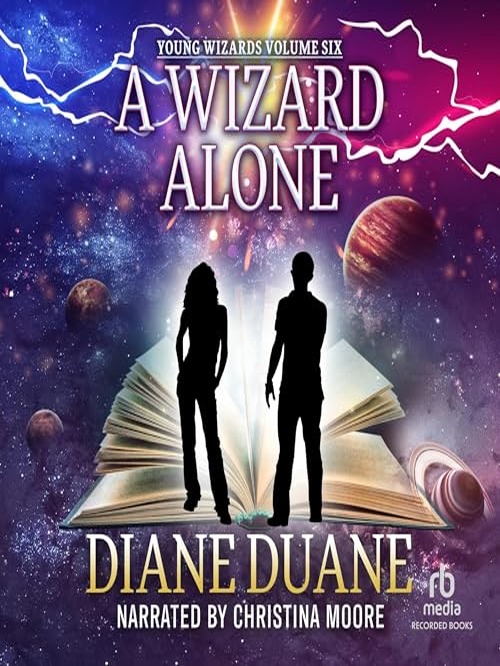
A Wizard Alone Review

Navigating the Labyrinth of Loss: Diane Duane’s A Wizard Alone

The allure of young protagonists wielding immense magical power has, of late, become a well-trodden path in literary fantasy. Yet, within this landscape, Diane Duane‘s Young Wizards series has long distinguished itself, not merely by the cleverness of its magical systems but by its profound commitment to the philosophical and emotional landscapes of its characters. A Wizard Alone, the fifth installment, stands as a poignant testament to this depth, inviting readers to delve into a narrative that gracefully balances adolescent turmoil with cosmic dread. While the publisher’s summary rightly suggests an appeal to Harry Potter aficionados, we find here a narrative canvas painted with far more intricate strokes, exploring themes that resonate beyond the immediate thrill of spellcasting.

The Shadowed Echoes of a World Adrift

At its core, A Wizard Alone unfurls a tale woven from threads of absence and impending peril. The sudden disappearance of a young friend casts a long shadow over the lives of Nita and Kit, our intrepid teenage wizards. Kit embarks on a desperate search, a quest fueled by loyalty and a burgeoning sense of responsibility. Meanwhile, Nita grapples with a series of disquieting dreams and cryptic messages that hint at a far greater, more ancient threat. It is here that Duane masterfully elevates the stakes, transitioning from a deeply personal mystery to an existential crisis. The very fabric of the universe, it seems, teeters on the brink, threatened once more by the encroaching tendrils of the Dark Power—an entity less a villain, and more a primordial force of entropy and oblivion. This dual-pronged narrative, simultaneously intimate and expansive, forms the compelling heart of the work.

The Burdens of a Young Adept’s Soul

What sets Duane‘s world apart, particularly within the Teen & Young Adult genre, is her nuanced portrayal of young wizards as individuals burdened by responsibilities far exceeding their years. The magic in this universe is not merely a tool for wonder; it is a complex, living language, demanding intellectual rigor and emotional fortitude. In A Wizard Alone, we observe the profound psychological toll this takes. Nita’s prophetic visions are not simply plot devices; they are catalysts for intense introspection and a terrifying confrontation with the nature of death itself. Duane refuses to simplify the emotional landscape, allowing her characters to experience grief, fear, and doubt with an authentic rawness that is both unsettling and deeply empathetic. The titular “wizard alone” refers not just to a physical state, but to the isolation inherent in confronting cosmic truths that others cannot perceive.

A Symphony of Voices and Visions

For those of us who appreciate the art of the spoken word, Christina Moore‘s narration of this audiobook is nothing short of exceptional. Her performance imbues each character with a distinct and memorable voice, navigating the spectrum from adolescent angst to ancient wisdom with remarkable subtlety. The pacing is deliberate, allowing the listener to fully absorb Duane‘s often lyrical prose and the intricate details of her world-building. Moore‘s ability to convey the mounting tension, Nita’s inner turmoil, and the ethereal quality of the magical interactions elevates the auditory experience beyond mere storytelling. It becomes, in her hands, an immersive journey into a richly imagined universe, where every whisper and every spell feels profoundly real. The synergy between Duane‘s evocative writing and Moore‘s skilled delivery ensures that the narrative’s emotional gravitas and intellectual depth are fully realized.

The Enduring Resonance of Cosmic Reckoning

Ultimately, A Wizard Alone is more than just another fantasy adventure; it is a profound meditation on loss, the nature of evil, and the resilience of the human (and wizardly) spirit. Duane challenges her readers to consider the philosophical implications of omnipotent forces and the choices individuals make when faced with insurmountable odds. The book is an exquisite example of how Science Fiction & Fantasy can serve as a potent vehicle for exploring complex existential questions. It avoids simplistic good-versus-evil dichotomies, instead presenting the Dark Power as a force to be understood, not just vanquished, demanding a more nuanced form of heroism from its protagonists.

For the discerning reader who seeks depth alongside adventure, who values intellectual rigour in their magical worlds, and who finds solace in narratives that dare to tackle the heavier aspects of life and existence, A Wizard Alone is an indispensable addition to one’s literary journey. It is perfect for those who appreciate the gradual unfolding of a truly complex magical system and the emotional growth of characters grappling with truly profound challenges. We are left, not with simple answers, but with the haunting echo of a universe in constant flux, and the quiet courage of those who stand against the encroaching night.

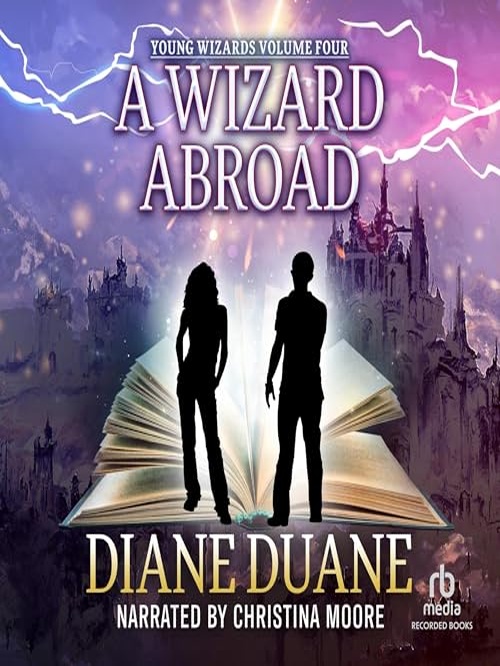
A Wizard Abroad Review

The Verdant Veil: Magic, Myth, and the Adolescent Soul in A Wizard Abroad

We often find ourselves drawn to narratives that blur the lines between the mundane and the magnificent, particularly when the setting is a land steeped in ancient lore. Ireland, with its mist-shrouded hills and echoing myths, has long served as a potent crucible for such tales. It is into this rich, fertile ground that Diane Duane plunges us with A Wizard Abroad, an exquisite entry in her celebrated Young Wizards series, inviting us to contemplate not merely magic, but the very fabric of time and cultural memory.

When History Unravels: The Irish Tapestry of Time

A Wizard Abroad is far more than a simple sojourn into foreign lands; it is a profound meditation on the resilience of history and the perils of its dissolution. Our protagonist, fourteen-year-old Nita, arrives in Ireland for a summer with her aunt, expecting little more than a change of scenery. Yet, Duane masterfully crafts a landscape where the past is not merely remembered but vibrantly alive, threatening to rupture the present. The “shifting sideways into another dimension” is not a mere plot device but a metaphorical gateway into the profound dangers of temporal disintegration.

The narrative posits a compelling intellectual premise: what if the layers of history, “rich with battles between superhuman tribes,” are not static, but dynamic, capable of breaking free from their chronological moorings? This central conflict imbues the story with an urgency that transcends the typical adolescent adventure. It compels us to consider the fragility of our own understanding of time and the critical role that magic, in this instance, plays in maintaining cosmic equilibrium. Duane‘s intricate weaving of Irish mythology into the very crisis at hand demonstrates an impressive command of world-building, elevating the stakes far beyond individual peril to encompass the potential unraveling of existence itself.

The Apprentice’s Ordeal: Nita’s Maturation Amidst Chaos

At the heart of this temporal maelstrom is Nita, a young wizard whose vacation quickly morphs into an initiation by fire. The revelation that her aunt, too, is a wizard is a classic narrative beat, yet Duane imbues it with a fresh sense of poignant urgency. Nita is not merely learning spells; she is tasked with helping to mend the very fabric of reality. This is the intellectual rigor one expects from Duane: the magic is never frivolous but intrinsically linked to responsibility and consequence.

We witness Nita’s journey through the lens of a fledgling practitioner grappling with forces far older and more powerful than herself. Her internal struggle mirrors the external chaos, forcing her to confront her own capabilities and limitations. The narrative arc here is particularly compelling for its refusal to present easy answers; Nita’s growth is earned, her understanding of magic deepened by the profound personal and cosmic implications of her actions. It is a testament to the author’s skill that a young adult character is entrusted with such weighty philosophical and magical burdens, and carries them with such resonant authenticity.

Whispers of Enchantment: Beyond the Mundane Perception

Beyond the thematic complexities, A Wizard Abroad is a triumph of imaginative detail. Duane‘s magical world is not only meticulously constructed but also wonderfully alive. The “frisky spells,” “talkative cats,” and “moonlight visions” are not mere window dressing; they are essential threads in the tapestry of her magical Ireland. The magic feels organic, an intrinsic force shaping the characters’ perceptions and interactions. It enriches the narrative, making the fantastical feel utterly plausible within the established cosmology of the Young Wizards series.

For those engaging with the audiobook, Christina Moore‘s “spirited narration” provides an additional layer of immersion. Her performance breathes life into every character and spell, amplifying the evocative prose and ensuring that the listener is fully enveloped in Nita’s extraordinary journey. It is a harmonious marriage of compelling text and skilled delivery, making the intangible elements of magic and myth viscerally real.

A Discerning Recommendation for the Modern Seeker

A Wizard Abroad stands as a vibrant testament to Diane Duane‘s enduring prowess as a storyteller. It is a book that effortlessly transcends its Teen & Young Adult classification, offering layers of meaning and an intellectual depth that will resonate with readers of any age. We are presented with a narrative that is both an exhilarating adventure and a subtle exploration of cultural heritage, personal responsibility, and the profound power of empathy.

This volume is an indispensable read for those who find solace and stimulation in fantasy that respects the reader’s intelligence—those who appreciate world-building rooted in rich mythology, and character arcs that speak to genuine growth and self-discovery. It is highly recommended for enthusiasts of intricate magical systems, devotees of Celtic lore, and particularly for the seasoned fantasy reader seeking a refreshing, contemplative journey away from the more conventional grimdark narratives. Ultimately, A Wizard Abroad prompts us to ponder: what ancient powers lie dormant beneath our own feet, and what responsibility do we bear in safeguarding the delicate balance between the past and our unfolding present?

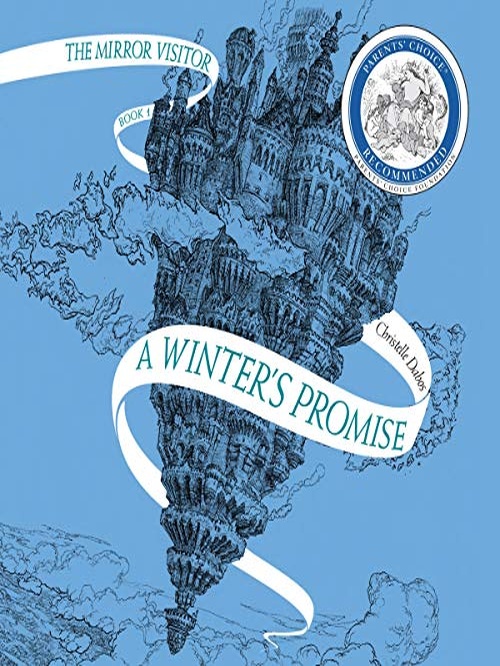
A Winter’s Promise Review

Through the Shattered Looking Glass: A Promise of Intricate Fantasy

In an era saturated with fantastical narratives, where the tropes of chosen ones and epic quests often feel like well-trodden paths, a discerning reader yearns for a voice that dares to craft something altogether novel, something that resonates with an intellectual curiosity beyond mere escapism. It is our distinct pleasure to report that [[A Winter’s Promise]], the inaugural volume of [[The Mirror Visitor Quartet]] by the singularly imaginative [[Christelle Dabos]], not only answers this call but elevates it into an art form.

The Unassuming Seer and Worlds Undreamed Of

Dabos introduces us to Ophelia, a young woman whose apparent plainness belies a profound interiority and a set of extraordinary gifts: she is a “reader,” capable of discerning the past of any object through touch, and a “mirror traveler,” able to pass between locations via reflective surfaces. This initial premise, while intriguing, merely scratches the surface of the grand, sprawling tapestry that is her world. We find ourselves transported to a fantastical cosmology where remnants of an exploded Earth float as ‘arks’ in the ether, each governed by a family spirit and imbued with its own unique customs and magical lineages. Ophelia hails from Anima, a gentle ark where objects possess a vibrant history. Her life, a quiet existence spent cataloging artifacts, is abruptly upended by an arranged betrothal to Thorn, a taciturn, imposing figure from the icy, dangerous ark known as the Pole.

One might easily anticipate a conventional narrative arc of damsel in distress or instant romance. Yet, Dabos eschews such simplistic designs. Instead, she plunges Ophelia into a labyrinthine world of political machinations, courtly intrigue, and existential threats, where her unassuming nature is both a vulnerability and a stealthy strength. The author’s triumph here lies in crafting a protagonist whose power is not derived from brute force or dazzling beauty, but from her intellect, her observational acuity, and her quiet resilience. Ophelia’s journey is not one of transformation into a conventional heroine, but rather an unveiling of the profound strength that lies within the seemingly ordinary.

Beneath the Ice: A Dance of Power and Perception

The Pole itself is a character in its own right—a frigid, hierarchical society riddled with secrets and unspoken power plays. Here, Ophelia is not merely a pawn but a lens through which we, the readers, perceive the intricate, often brutal, dynamics of this alien yet eerily familiar world. Her relationship with Thorn is a masterclass in slow-burn development, devoid of facile declarations and instead built upon layers of suspicion, grudging respect, and an almost imperceptible intellectual parity. He is not the dashing hero of fairy tales but a man burdened by his own enigmas and responsibilities, whose motives remain tantalizingly obscure for much of the narrative. This nuanced exploration of an arranged marriage, stripped of saccharine sentimentality, offers a refreshing take on romantic tension within fantasy literature.

What truly distinguishes [[A Winter’s Promise]] is Dabos‘ commitment to world-building that is both richly detailed and philosophically resonant. The concept of “family spirits” and their unique powers, the perilous act of mirror-travel, and the ever-present mystery of the “Ancients” who shaped these floating worlds, all combine to create a landscape brimming with verisimilitude. Every custom, every magical ability, feels organic to its environment, contributing to a sense of deep history and complex societal structure that underpins the immediate narrative. The novel invites us to ponder the nature of reality, memory, and the unseen forces that govern our destinies.

A Resonance for the Discerning Reader

[[A Winter’s Promise]] is not a book for those seeking immediate gratification or a simplistic dichotomy of good versus evil. It is a work for the patient, for those who relish intricate plotting, profound character development, and a world-building that rewards careful attention. [[Christelle Dabos]] possesses a rare gift for evocative prose, crafting scenes that linger in the mind long after the page is turned. [[Emma Fenney]]‘s narration further enhances this immersion, bringing the diverse cast of characters to life with distinct voices and emotional depth in the audiobook format.

We heartily recommend this novel to readers of [[Teen & Young Adult]] and [[Science Fiction & Fantasy]] who appreciate the elegance of a slow-burn intellectual thriller, who find joy in deciphering complex political webs, and who champion protagonists who achieve greatness not through sheer force but through quiet intellect and an unwavering moral compass. It is a testament to the power of imagination and the transformative potential of storytelling.

In the grand tradition of literary fantasy that challenges and delights, [[A Winter’s Promise]] leaves us with a compelling question: what truths lie hidden just beyond the reflection, waiting for those brave enough to step through the looking glass?

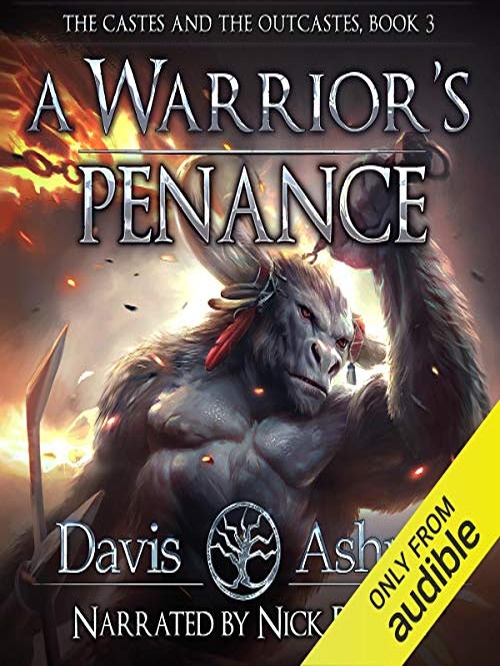
A Warrior’s Penance Review

Heavy Duty: Blood Meet Law

Old Rules Break

Do rigid laws kill society? We ask. Davis Ashura answer. A Warrior’s Penance end Castes and the OutCastes series. Narrative arc peak. Visceral impact hit hard.

Deep Truths

We scan text. Find three insights.

First: Sanctuary cost blood. Rukh and Jessira lead OutCastes. Walk to Ashoka. Strict law banish ghrinas. Paradigmatic shift needed. Old rules must die save people.

Second: Bad men hide behind good words. Hal’El Wrestiva escape. Want clean name. Virtuous faction plot against House Shektan. Blind certainty make war. Fanatics break society inside.

Third: Hero bleed most. Suwraith attack Ashoka. Li-Choke and Baels try desperate plan. Rukh make hard choice. Lose love save home. Nuanced perspective show leadership bring pain.

Sound and Words

Prose punch. Narrator Nick Podehl speak well. Elevate Audible Studios audio. Nineteen hours pass fast.

Final Word

We rate book high. Conclusion satisfy. Intellectual rigor meet sword fights.

Ideal reader: Fans of Teen & Young Adult and Science Fiction & Fantasy. Want smart thriller? Read. Need unconventional wisdom on leadership? Read.

Final thought: You trade happiness save broken world? Think.

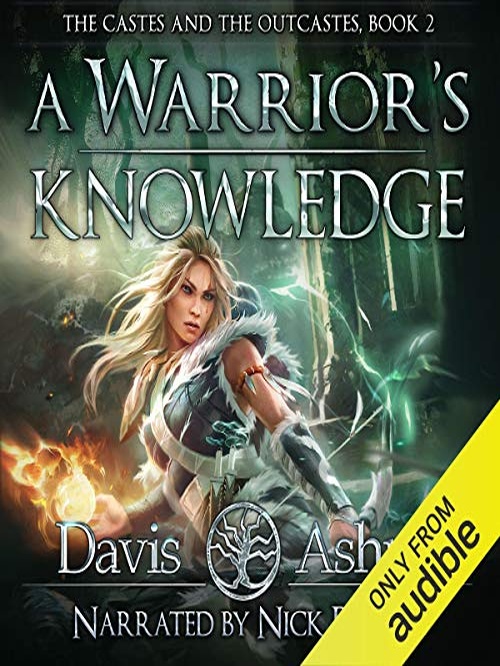
A Warrior’s Knowledge, Book 2 Review

Blood on Snow, Demon in Sky

World Face Ruin

Suwraith wake. Demon mind clear. Humans fight long war. Davis Ashura write A Warrior’s Knowledge. We read. Book hit hard.

Path Hold Pain

Rukh Jessira walk snow. Chimera hunt them. They seek Stronghold. City hide lies. Truth hurt Rukh.
Rector Mira unite. They hate each other. They must stop Hal’El Wrestiva. Wrestiva banished Rukh.
Bree Jaresh seek Sil Lor Kum. Knives kill. Blood fall.

Book show three truths:
1. Journey test mind. Rukh fight cold.
2. Foes join hands. Rector need Mira.
3. Doom watch from sky. Suwraith find Stronghold.

Davis Ashura build big world. Science Fiction & Fantasy and Teen & Young Adult fans get reward. Nick Podehl read audio. Voice hold power. 18 hours pass fast.

We Judge Book

Book earn 4.67 rating. Rating speak truth. We like deep plot. We like dark world.
You like epic fights? You like dirty politics? Read book.
Demon plan war. You read now?

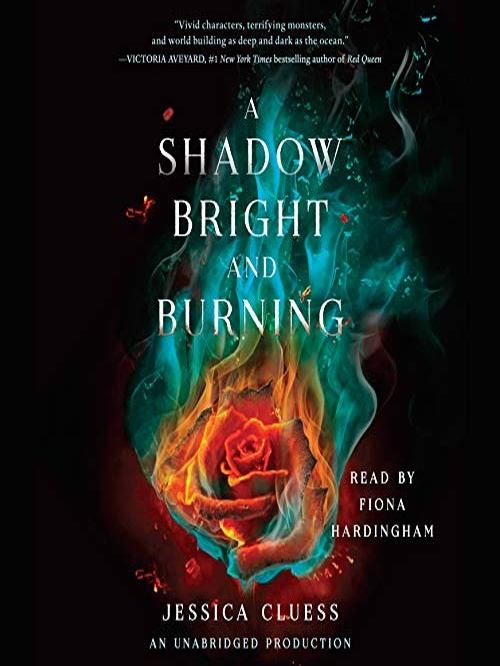
A Shadow Bright and Burning Review

A Blazing Deception in the Heart of Victorian Sorcery

In the crowded landscape of Teen & Young Adult Fantasy, the “chosen one” narrative often feels as familiar and comforting as an old blanket. We know the beats: an unassuming protagonist, a sudden revelation of power, a destiny laid bare. Yet, what if the greatest deception lay not in the world around our hero, but in the hero’s very identity? Jessica Cluess‘s A Shadow Bright and Burning, the inaugural volume in her Kingdom on Fire* series, boldly steps into this well-trodden territory, only to ignite it with a most satisfying subversion.

From the very first pages, we are introduced to Henrietta Howel, a young woman capable of bursting into flames – a visceral, terrifying power that, once revealed, catapults her from the quiet life of an orphan into the glittering, yet dangerous, echelons of Her Majesty’s royal sorcerers in Victorian London. The stage is set for the archetypal hero’s journey: she is the prophesied one, the first female sorcerer in centuries, destined to battle the bloodthirsty demons known as the Ancients. It is a compelling setup, executed with a flair that quickly immerses the reader into a world brimming with both elegance and dread.

The Weight of a Borrowed Crown

What distinguishes A Shadow Bright and Burning is its audacious central premise: Henrietta is, in fact, not the chosen one. This revelation, unveiled early in the narrative, acts as a powerful narrative engine, transforming a predictable tale into a psychologically intricate study of imposture and self-discovery. We witness Henrietta grappling with the immense pressure of a prophecy that isn’t hers, forced to maintain a dangerous charade while training alongside other burgeoning sorcerers – some allies, some rivals, and some, perhaps, betrayers. Cluess expertly crafts this internal conflict, exploring the visceral impact of deception and the profound burden of living a lie, even if that lie is meant to save a kingdom. It’s a nuanced perspective that elevates the narrative beyond simple good-versus-evil, delving into the very nature of heroism itself. Is true heroism found in innate destiny, or in the courage to embrace a role not meant for you, and to fight for what is right regardless?

Victorian Grandeur and Demonic Horrors

Cluess‘s world-building is undeniably one of the novel’s strongest suits. She conjures a vivid, atmospheric Victorian London, where gaslight flickers against ancient, arcane secrets and the opulence of high society masks a looming supernatural threat. The contrast between the glamorous balls and the lurking terror of the Ancients creates a palpable tension that keeps the narrative taut. The magic system, with its rigid structure and the formidable training grounds for young sorcerers, feels both historically grounded and fantastically imaginative. The cast of supporting characters – the enigmatic Rook, the charming Magnus, and the other trainees – each contributes to the intricate web of alliances and rivalries that define Henrietta’s new life. Their interactions add layers of intrigue and, crucially for the Teen & Young Adult* genre, an element of blossoming romance that feels genuinely earned, rather than merely inserted.

For those engaging with the audiobook, Fiona Hardingham‘s narration is an integral part of the experience. Her performance skillfully captures the period’s decorum while imbuing each character with a distinct voice and emotional depth, making the 12:49:00* journey through London’s magical underbelly utterly captivating.

A Smashing Reinvention of Archetypes

Ultimately, A Shadow Bright and Burning is a triumph of imaginative storytelling. Jessica Cluess takes a trope that could easily be stale and breathes exhilarating new life into it, as eloquently noted by Publishers Weekly in their starred review, praising how Cluess “gamely turns the chosen-one trope upside down.” This is not merely a story about a girl with powers; it’s a profound exploration of identity, the weight of expectation, and the courage required to forge one’s own path in the face of predetermined destinies. The blend of pulse-pounding action, intricate political maneuvering, and tender, burgeoning relationships creates a narrative arc that is both gripping and emotionally resonant.

This is a must-read for anyone who cherishes Fantasy that dares to subvert expectations, perfect for readers who appreciate the dark allure of Cassandra Clare‘s worlds or the intricate magic and strong female leads found in Sarah J. Maas‘s oeuvre. It’s a tale for those who seek not just escapism, but also a thoughtful examination of what it truly means to be a hero when the very foundations of your heroism are built on a dangerous, magnificent lie. A Shadow Bright and Burning is pure enchantment, inviting us to reflect on whether prophecy truly dictates fate, or if it is merely a canvas upon which the truly courageous paint their own, far more compelling, narratives.

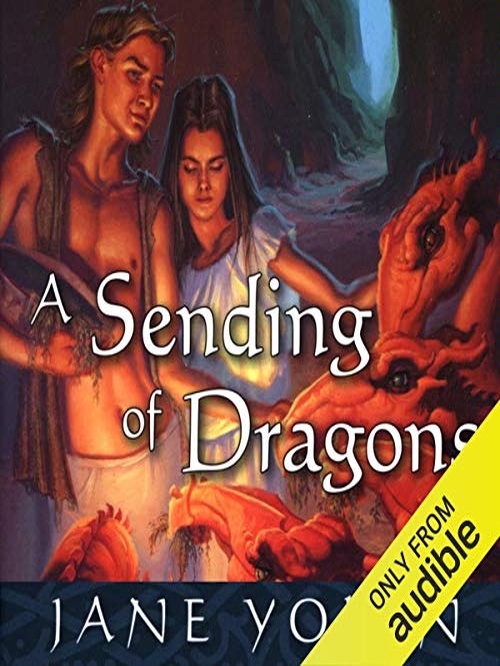
A Sending of Dragons Review

A Dragon’s Shadow and the Weight of Human Echoes: Reflecting on A Sending of Dragons

From the shimmering scales of legend to the intimate companionship of a bonded pair, dragons have long captivated the human imagination. Yet, few authors delve into the complex tapestry of draconic existence with the sustained intellectual curiosity and emotional depth of Jane Yolen. In A Sending of Dragons, the penultimate installment of her celebrated The Pit Dragon Chronicles, Yolen invites us once more to the arid, compelling world of Austar IV, a realm where the fate of humans and their fire-breathing counterparts are inextricably linked, and where the most primitive instincts often lurk just beneath the veneer of civilization.

Unearthing Ancient Prejudices

What begins as an exploratory journey for Jakkin and his fiercely intelligent companion, Akki, swiftly transmutes into an ethical crucible. The discovery of a subterranean, primeval cult dedicated to the ritualistic sacrifice of dragons is not merely a plot device; it is a profound interrogation of cultural relativism and the insidious nature of entrenched dogma. Yolen masterfully presents a society whose reverence for these magnificent creatures manifests in a horrifying act of devotion, forcing our protagonists—and, by extension, us—to confront the uncomfortable truth that faith, untempered by empathy, can breed unspeakable cruelty. We observe Jakkin and Akki grappling with this stark revelation, their youthful idealism tested against a worldview both alien and chillingly familiar, echoing historical conflicts where one group’s spiritual conviction justified another’s subjugation.

The Maturation of Empathy and Understanding

One of the enduring strengths of The Pit Dragon Chronicles lies in its sensitive portrayal of burgeoning adulthood, and A Sending of Dragons continues this arc with compelling nuance. Jakkin and Akki are no longer simply adolescents navigating the complexities of their bond with dragons; they are thrust into positions of moral leadership, compelled to mediate between conflicting ideologies, and to challenge deeply ingrained patterns of thought. Their journey here is less about physical prowess and more about intellectual rigour and emotional fortitude—the painstaking process of understanding, rather than merely condemning, that which they find abhorrent. Yolen skillfully traces their transition from reactive observers to proactive agents of change, demonstrating that true heroism often resides not in grand gestures, but in the patient, often painful, work of fostering interspecies and intercultural understanding.

The Sustained Allure of Austar IV

Yolen‘s world-building, already rich and immersive in previous volumes, expands here to reveal new, unexpected facets. The hidden recesses where the cult resides offer a vivid contrast to the more industrialized, albeit still harsh, landscapes previously explored. This deep dive into a cloistered, almost forgotten society adds layers of anthropological texture to the narrative, reminding us that even within a seemingly known world, pockets of ancient tradition can persist, challenging the assumptions of progress. The dragons themselves, far from being monolithic symbols, are further explored through their varied relationships with different human factions, underlining Yolen‘s consistent thematic thread: the vital importance of respecting all forms of life, and the inherent dangers of reducing complex beings to mere resources or sacrificial offerings. For those listening, Marc Thompson‘s narration lends an additional gravitas and an affecting intimacy to these explorations, his voice skillfully modulating to capture the urgency and the quiet moments of introspection alike.

A Call for Deliberate Engagement

A Sending of Dragons is more than a thrilling Science Fiction & Fantasy adventure for the Teen & Young Adult demographic; it is a thoughtful meditation on the enduring conflict between enlightenment and superstition, the burden of leadership, and the imperative to protect the vulnerable. Jane Yolen does not shy away from the darker aspects of human nature, but she consistently grounds her narrative in a profound belief in the power of connection and empathy.

We posit that this book is essential reading not only for ardent fans of The Pit Dragon Chronicles but for any discerning reader who values speculative fiction that challenges, rather than merely entertains. It is particularly resonant for those who appreciate narratives exploring ethical dilemmas, cultural clashes, and the often-fraught path to genuine understanding. As the final pages settle, one is left to ponder: in our own complex world, how often do we mistake tradition for truth, and what dragons, both literal and metaphorical, do we unwittingly consign to the sacrificial altar of our own narrow perspectives? The work compels a deliberate engagement, urging us to look beyond the immediate and consider the profound.

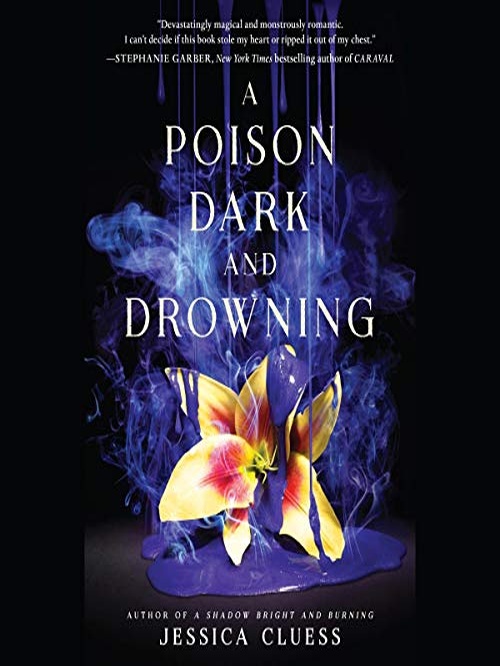
A Poison Dark and Drowning Review

Shadows And False Prophecy: Deconstructing Hero Myth

Destiny Betrays

Prophecy lie. Fate trap heroes. We analyze A Poison Dark and Drowning. Second entry in Kingdom on Fire sequence by Jessica Cluess. Magic demands blood. Demons hunt. We dissect narrative arc.

Burden Of Imposter Syndrome

Henrietta lack chosen status. London expect savior. She hide truth. Protect Rook. Motive pure. Action desperate. Trope inversion succeeds. False messiah faces real stakes. Jessica Cluess subverts paradigm. Reader feels visceral dread.

Metamorphosis And Corruption

Rook ingest poison. Humanity fades. Monster awakens. Henrietta observe tragic transformation. Tension escalates. Narrative explores corrupted innocence. Intellectual rigor present. Romance darkens.

Quest For Devastating Truth

Trio form. Henrietta lead. Earl Blackwood provide mystery. Magnus offer reckless charm. Coast journey begins. Seek ancient weapons. Encounter lethal monsters. Discover devastating truth. Character chemistry drives plot forward. Worldbuilding expands.

Final Judgment

Sequel excels. Pace rapid. Thematic depth impresses. Narrator Fiona Hardingham elevates audiobook experience. Rating validate quality.

Target audience clear. Teen & Young Adult and Science Fiction & Fantasy fans need text. Perfect for readers craving dark intellectual thrillers.

Ask self: You sacrifice soul for love? You wield dark magic? Reflect. Read book.