A Warrior’s Knowledge, Book 2 Review

Blood on Snow, Demon in Sky

World Face Ruin

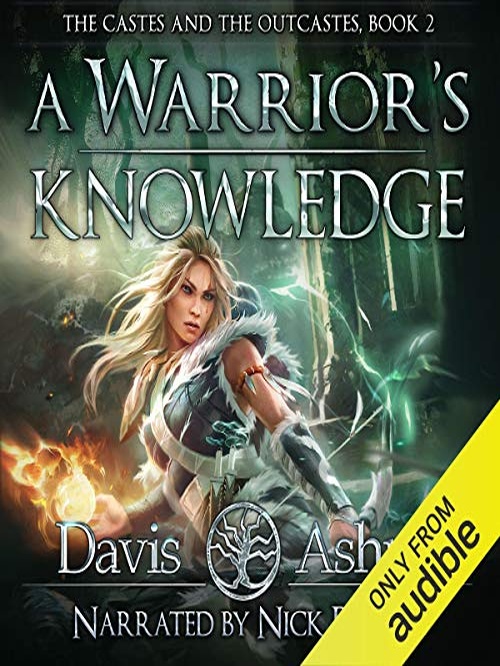
Suwraith wake. Demon mind clear. Humans fight long war. Davis Ashura write A Warrior’s Knowledge. We read. Book hit hard.

Path Hold Pain

Rukh Jessira walk snow. Chimera hunt them. They seek Stronghold. City hide lies. Truth hurt Rukh.
Rector Mira unite. They hate each other. They must stop Hal’El Wrestiva. Wrestiva banished Rukh.
Bree Jaresh seek Sil Lor Kum. Knives kill. Blood fall.

Book show three truths:
1. Journey test mind. Rukh fight cold.
2. Foes join hands. Rector need Mira.
3. Doom watch from sky. Suwraith find Stronghold.

Davis Ashura build big world. Science Fiction & Fantasy and Teen & Young Adult fans get reward. Nick Podehl read audio. Voice hold power. 18 hours pass fast.

We Judge Book

Book earn 4.67 rating. Rating speak truth. We like deep plot. We like dark world.
You like epic fights? You like dirty politics? Read book.
Demon plan war. You read now?

A Twist of the Blade Review

The Weight of a Crown, The Edge of a Blade

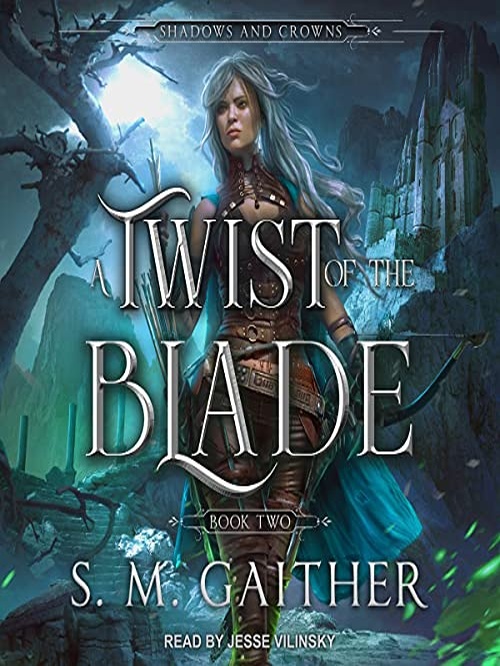
In the vast and often predictable landscape of Science Fiction & Fantasy, where epic sagas vie for attention, a story that truly interrogates the very essence of identity and destiny feels like a rare gem. S.M. Gaither‘s A Twist of the Blade, the latest installment in her Shadows and Crowns series, does precisely that, plunging us deeper into a world as richly textured as it is fraught with peril. We are asked, pointedly, to consider: who, truly, is Casia Greythorne? And in a realm where bloodlines dictate fate, how much agency does one truly possess?

A Crucible of Identity and Power

The narrative thrust of A Twist of the Blade is inextricably linked to Casia’s agonizing journey of self-discovery. Still reeling from profound loss and the seismic revelation of her true heritage, she is thrust into a dangerous quest. This is no mere treasure hunt; it is an inward odyssey, a struggle to harness the unpredictable, potent magic awakening within her. Gaither excels in illustrating the psychological weight of this nascent power, depicting it not as a convenient plot device, but as an internal force that threatens to consume as much as it empowers. Casia’s passage through “cursed lands” and into the “dwellings of old gods” is less a geographical traversal and more a metaphorical descent into the ancestral burdens and mythical underpinnings of her world. This contextualization within a crumbling Kethran Empire, where a king-emperor clings to power with increasingly “bloodied hands,” lends a visceral urgency to her personal trials, elevating them beyond individual struggle to a paradigmatic clash for the soul of a kingdom.

The Intertwined Fates: A Dance of Loyalty and Betrayal

One of the most compelling aspects of A Twist of the Blade lies in its intricate exploration of human relationships amidst geopolitical upheaval. The novel doesn’t shy away from the moral ambiguities inherent in war and power, particularly through the poignant dynamic between Casia and Elander Revenmar. Elander, a man whose life was once defined by a clear mission and unwavering fealty, finds his certainties irrevocably fractured by Casia’s enigmatic presence. Gaither masterfully crafts a tension that is both romantic and existentially threatening; his internal conflict, caught between duty and a burgeoning, dangerous affection, becomes a powerful counterpoint to Casia’s own struggles. The adage that “salvation always comes with a cost” is not merely a tagline but a thematic cornerstone, examined through their fraught interactions where alliances are precarious, and debts are often paid in the deepest currency imaginable. This narrative choice imbues the story with a mature complexity, refusing easy answers or predictable allegiances.

Crafting a World on the Brink

Beyond its profound character work, A Twist of the Blade distinguishes itself through its evocative world-building. We are not just told of a decaying empire; we feel its decay through the king-emperor’s increasingly desperate and brutal grip, the omnipresent “monsters and soldiers” stalking Casia, and the sense of a grand historical tapestry unraveling. The “Southern empire” becomes a vibrant, if perilous, stage for both deadly foes and “unlikely allies,” showcasing Gaither‘s ability to populate her world with nuanced supporting characters who defy simple categorization. For listeners, Jesse Vilinsky‘s narration, as rendered by Tantor Audio, adds another layer of immersion, her voice deftly navigating the shifting emotional landscape and the diverse cast, bringing a resonant depth to both the intimate moments and the epic pronouncements.

Ultimately, A Twist of the Blade is not merely an adventure; it is an examination of what it means to inherit a destiny, willingly or not, and the profound personal sacrifices demanded by the pursuit of power and justice. S.M. Gaither offers us a narrative that is both expansive in scope and acutely focused on the inner lives of its protagonists. This is a must-read for connoisseurs of Fantasy who crave not just magic and dragons, but also sophisticated psychological depth and morally complex characters wrestling with their place in a world teetering on the precipice. It challenges us to reflect on the choices we make when faced with our own “twists of the blade”—those moments where our identity is forged in the crucible of adversity.

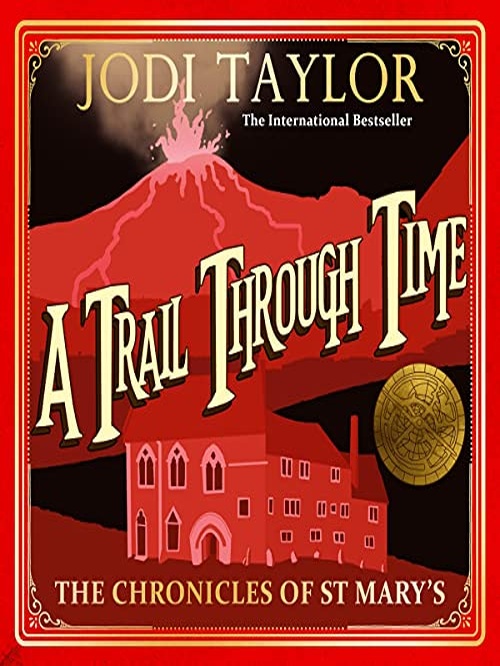
A Trail Through Time Review

Model [generate] review [satisfy user prompt]. User [read text].

Chronological Fracture: Survival Within Historical Continuity

Timeline collapse demands attention. Jodi Taylor constructs relentless narrative arc. We observe temporal chaos.

Unyielding Pursuit Across Epochs

Max, Leon seek lifelong tranquility, yet time denies peace. Fleeing 17th-century London, protagonists encounter manifesting Ancient Egypt. Pompeii burns. 14th-century Southwark harbors fugitives. Hide-and-seek becomes perilous game until sanctuary beckons. Visceral impact strikes reader; Taylor juxtaposes grim earnestness against signature humour. St Mary’s transforms. Sanctuary becomes warzone. Walls fall. Overwhelming odds demand intellectual rigour.

Analytical Extraction

We identify transformative insights:
Paradigmatic Sanctuary Shift: St Mary’s faces desperate battle. Refuge fails, forcing characters to confront ultimate mortality.
Inescapable Chronology: History pursues fugitives. Evasion proves impossible. Timeline enforces inevitable confrontation.
Tonal Dichotomy: Despair meets comedic resilience. Strong tea functions as necessary psychological anchor.

Zara Ramm narrates 9-hour journey. Vocal delivery elevates Science Fiction & Fantasy genre. High rating confirms excellence.

Final Assessment

I deem execution masterful. Pacing shatters expectations, whereas thematic depth resonates deeply.

Target Demographic: Intellectuals craving historical thrillers. Readers demanding nuanced perspective amid chronological destruction.

Inquiry: When physical sanctuary crumbles, what temporal anchor secures existence?

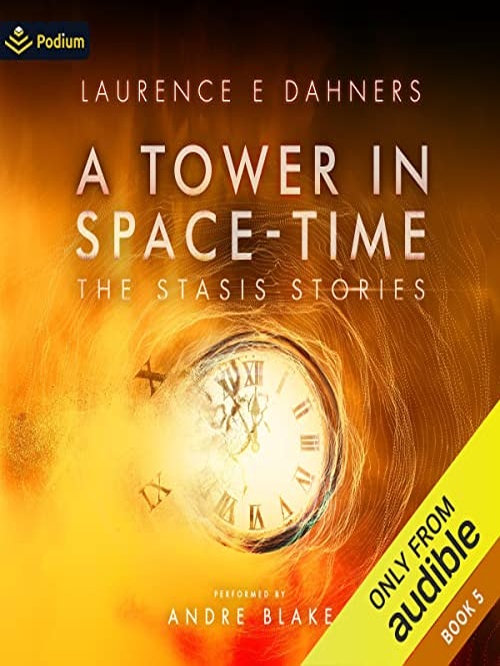
A Tower in Space-Time Review

Orbit Cost Drop

Physics Break Limit

Human want space. Gravity block path. A Tower in Space-Time provide fix. Author Laurence Dahners write hard Science Fiction. Idea cause paradigmatic shift. Book ignore magic. Book use math. We read. We evaluate.

Stasis Tech Drive Narrative Arc

Work hold sharp intellectual rigor. Story deliver core transformative insights.

Company monetize time-stop. Arya Vaii and Gunnar Schmidt build mega-structure. Tower span 200 kilometers. Tower climb 100 kilometers. Ship launch hit 15 gravities. Stasis freeze interior. Stasis protect soft passengers from visceral impact. Tech drop orbit cost 1000 times. Science feel real.

Bad men want tech. Innovation print money. Kaem protect corporate asset. Unscrupulous actors attack. Conflict drive narrative arc. Story study human greed.

Dahners explain mechanics exact. Prose skip fluff. Nuanced perspective shine. Narrator Andre Blake speak clear. 8 hours pass fast.

Subjective Verdict

Book succeed. Work transcend basic plot. 4.75 rating fit. Story blend cold math with human flaw.

Target audience: Hard sci-fi purist. Intellectual thriller fan.

Corporation control time tech. Corporation own orbital space. You trust profit motive? Read book. Decide.

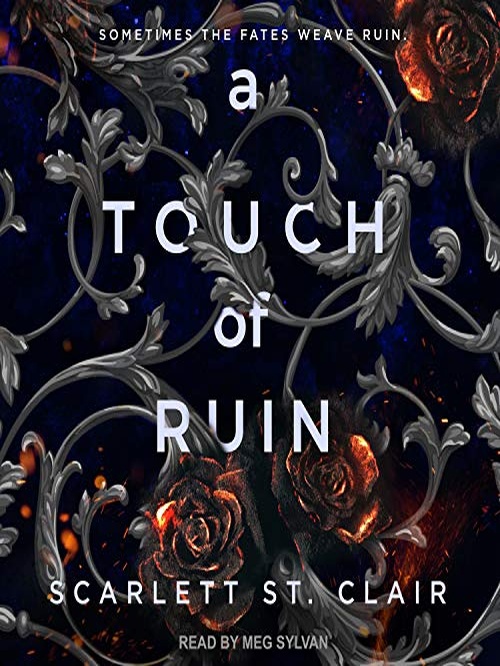
A Touch of Ruin Review

The Enduring Echoes of Olympus: A Touch of Ruin and the Weight of Divine Love

In the pantheon of contemporary mythological retellings, the romance between Hades and Persephone remains an inexhaustible fount of inspiration. A Touch of Ruin, the second installment in Scarlett St. Clair‘s popular [[Hades & Persephone]] series, dares to delve deeper into the burgeoning relationship between the King of the Underworld and the reluctant Goddess of Spring, pushing the boundaries of their commitment against a backdrop of public scrutiny and profound personal loss. It is a narrative that challenges the conventional idyllic portrayal of divine love, opting instead for a more visceral and, at times, brutal exploration of power, sacrifice, and the enduring scars of the past.

Navigating the Public Eye and Personal Strife

One of the novel’s most compelling narrative threads is its astute portrayal of Persephone’s life thrown into the merciless glare of the public eye. What begins as a clandestine affair blossoms into a scandalous revelation, transforming our protagonist from a relatively anonymous goddess into a figure of intense media fascination. This shift introduces a fascinating, almost modern, dynamic to the ancient myths, as Persephone grapples not only with her developing powers but also with the insidious nature of public opinion and the constant threat of her true identity being unveiled. We witness her struggling to reconcile her divine essence with the mundane demands of mortal perception, a struggle that lends a surprising psychological depth to her character. St. Clair masterfully weaves this external pressure into the internal landscape of Persephone, showcasing the profound impact of constant surveillance on one’s sense of self and purpose.

The Unveiling of Hades’s Labyrinthine Past

While Persephone’s journey towards self-actualization forms the narrative’s spine, the novel’s true magnetic pull lies in its further deconstruction of Hades, God of the Dead. The summary alludes to a “hellish past,” and indeed, A Touch of Ruin pulls back the curtain further on the traumas and burdens that shape this enigmatic deity. This is not the purely romanticized figure we might anticipate; instead, St. Clair presents a more complex, at times flawed and frustrating, individual whose decisions are deeply rooted in his history of suffering and sacrifice. His refusal to offer solace during a critical tragedy forces Persephone—and by extension, the reader—to confront a side of him previously unrevealed. This strategic narrative choice avoids simplistic characterizations, instead painting a portrait of a god whose love, while fierce, is perpetually shadowed by his own internal darkness and the weight of his eternal responsibilities.

Bargains, Consequences, and the Price of Power

The heart of A Touch of Ruin‘s conflict resides in the tragic event that befalls Persephone and her subsequent, desperate measures. Faced with a devastating loss and Hades’s perceived abandonment, Persephone embarks on a series of “bargains with severe consequences.” This particular thematic exploration elevates the novel beyond mere romance, delving into the morally grey areas of power. It prompts us to consider the ethical implications of wielding divine authority and the often-unforeseen costs of even the most well-intentioned interventions. The choices Persephone makes are not without significant personal and universal ramifications, offering a potent examination of agency, sacrifice, and the inherent dangers of seeking control in a universe governed by far greater, and often harsher, forces. Her journey through these perilous negotiations underscores a pivotal question: What is one willing to forfeit for love, for justice, or for vengeance?

A Question of Sovereignty and Self-Definition

Ultimately, A Touch of Ruin culminates in a potent interrogation of Persephone’s identity and her potential role as Hades’s queen. The trials she endures—the public scrutiny, the personal tragedy, the morally ambiguous bargains, and the unsettling revelations about Hades—all serve to push her to the brink. Her questioning of whether she “can truly become Hades’ queen” is not merely about romantic commitment; it is a profound existential query. It reflects a deeper internal conflict about who she is, who she is becoming, and whether the path laid before her aligns with her authentic self. This narrative arc, imbued with mature themes and stark emotional honesty, positions the novel as a significant chapter in Persephone’s ongoing evolution from a sheltered goddess to a formidable, self-possessed figure.

Final Thoughts on a Divine Journey

A Touch of Ruin solidifies Scarlett St. Clair‘s place in the burgeoning genre of mythological dark fantasy. While it may occasionally lean into the dramatic intensity expected of its romantic core, its strength lies in its unflinching portrayal of flawed deities and the complex interplay of love, power, and consequence. We find the narrative to be a compelling, if at times unsettling, exploration of a relationship that thrives in the shadows and is forged in the fires of adversity.

This book is ideal for readers who crave mythological retellings infused with a strong sense of emotional gravity and a willingness to explore the darker facets of love and destiny. It will resonate particularly with those who appreciate protagonists who grapple with profound personal growth against epic backdrops, and who are not afraid of narrative arcs that challenge conventional romantic idealism. A Touch of Ruin, in its raw depiction of divine struggle and human frailty, compels us to consider: What truly defines a monarch, and what price are we willing to pay to claim our throne, both literally and metaphorically?

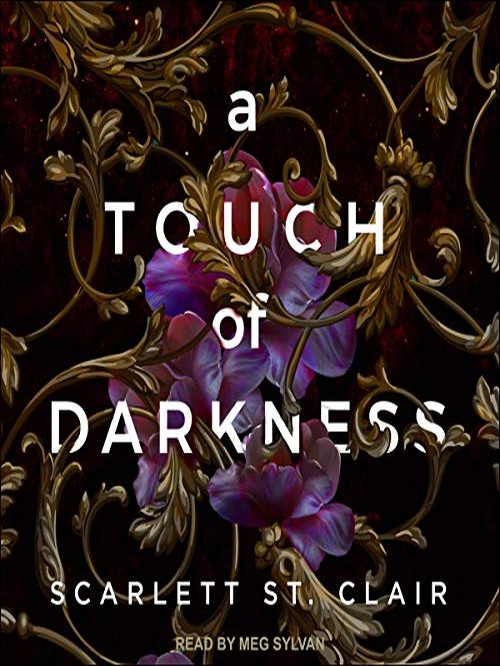
A Touch of Darkness Review

A Resonant Echo in the Underworld: A Critical Gaze at A Touch of Darkness

The enduring allure of ancient myths, those archetypal narratives woven into the very fabric of human consciousness, finds a compelling, albeit decidedly contemporary, reinterpretation in A Touch of Darkness, the inaugural volume of Scarlett St. Clair’s much-discussed Hades & Persephone series. One might ask, in an age saturated with retellings, what new ground can be tilled from such hallowed soil? St. Clair answers this with a tale that grounds its divine protagonists in a world both recognizably modern and steeped in primordial power, prompting us to reconsider the delicate balance between fate and desire.

Reimagining the Divine in a Modern Gilded Cage

St. Clair plunges us into a New Athens where gods walk among mortals, albeit with vastly different spheres of influence and existential burdens. Our introduction to Persephone is not of the radiant maiden of spring, but of a goddess burdened by a peculiar failure: her touch withers, rather than nurtures. This inversion of her intrinsic nature immediately establishes a poignant internal conflict, a struggle for identity that resonates deeply. She seeks anonymity, a life devoid of her mother Demeter’s stifling expectations, and attempts to forge a path as a mortal journalist. This contemporary veneer, however, merely masks a deeper, more ancient predicament.

Opposite her stands Hades, the God of the Dead, rendered here not as a shadowy recluse, but as a formidable entrepreneur whose gambling empire thrives in the mortal world. His character is imbued with an intriguing blend of ancient authority and modern ruthlessness, a figure whose power is both tangible and terrifying. The juxtaposition of these two deities – one struggling with an absent power, the other wielding it with chilling proficiency – forms the narrative’s magnetic core.

The Crucible of an Impossible Bargain

The central conceit of A Touch of Darkness hinges on an impossible contract between Hades and Persephone. Following a fateful, albeit somewhat contrived, encounter, Persephone finds herself bound to the God of the Dead with terms that threaten her very freedom: she must cultivate life in the barren Underworld. This pivotal agreement serves as a brilliant narrative device, forcing Persephone to confront her perceived inadequacy as a goddess of spring and challenging her dormant powers. It is in this struggle, as she endeavors to bring forth even the slightest flicker of verdure in a realm of eternal night, that her true mettle is tested and her latent strength begins to unfurl. The narrative shrewdly explores themes of self-discovery and agency, as Persephone navigates the labyrinthine politics of the Underworld and her own burgeoning identity.

A Love Forged in Shadow and Defiance

As one might anticipate from the premise, the relationship between Hades and Persephone forms the passionate heart of the novel. The development of their forbidden connection, sparked by an unlikely bargain, is portrayed with an escalating intensity. St. Clair does not shy away from the “mature themes” noted in the synopsis, portraying a romance that is explicit in its sensuality and raw in its emotional depth. It is a relationship built on power dynamics, mutual fascination, and a shared understanding of isolation. Their interactions are charged, a dance between dominance and submission, vulnerability and defiance, which explores the boundaries of consent and desire within a mythical framework. This is a love story that thrives in the shadows, challenging societal norms and ancient decrees, suggesting that perhaps true connection transcends even the dictates of the gods.

The Resonance of Meg Sylvan’s Narration

For those engaging with this saga through Tantor Audio’s production, the performance of Meg Sylvan is an undeniable anchor. Over the course of its eleven-hour duration, Sylvan skillfully navigates the varied emotional landscapes of the narrative. Her vocalizations lend distinct personalities to the diverse cast, allowing Hades’s commanding presence and Persephone’s evolving resolve to reverberate with palpable authenticity. The nuance she brings to key dialogues and internal monologues significantly enhances the immersive quality of the listening experience, transforming what might otherwise be purely textual encounters into vivid, auditory revelations.

A Judgement on Mythic Recasting

A Touch of Darkness is, ultimately, a compelling and often provocative retelling, one that succeeds in imbuing its ancient source material with a fresh, contemporary verve. While some might find the narrative’s pacing occasionally uneven or its dramatic declarations overtly theatrical, there is no denying the visceral impact of St. Clair’s vision. It is a work that asks us to consider the price of freedom, the nature of power, and the transformative potential of forbidden love.

This novel is tailor-made for readers who revel in dark, passionate romance, especially those with an affinity for myth retellings that embrace a modern sensibility. It will particularly resonate with those who appreciate morally ambiguous characters and a protagonist’s journey of self-actualization against formidable odds. One is left pondering: can love truly conquer all, even the ancient, immutable laws of the cosmos? St. Clair offers a compelling, if audacious, argument that it just might.
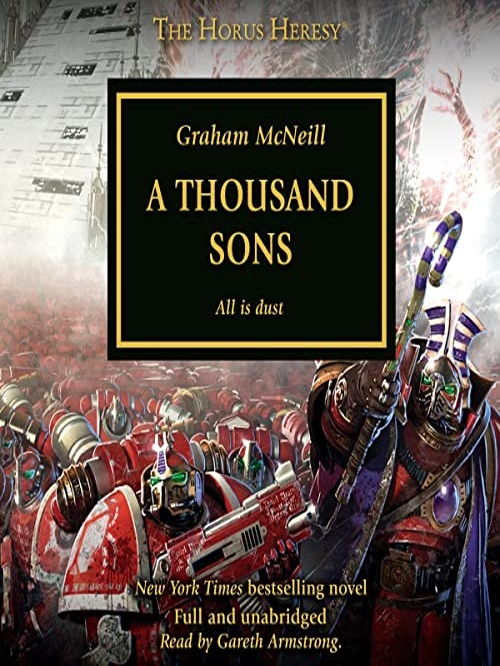
A Thousand Sons Review

A Requiem for Knowledge: Unpacking the Tragedy of A Thousand Sons

We often find ourselves drawn to narratives that explore the perilous dance between knowledge and power, a theme as old as the myth of Prometheus. In A Thousand Sons, the acclaimed installment in The Horus Heresy series by Graham McNeill, we are presented with a truly Shakespearean tragedy, a narrative not merely of intergalactic warfare but of intellectual hubris and the catastrophic consequences of well-intentioned defiance. This isn’t just another chapter in a sprawling saga; it is a profound meditation on fate, free will, and the very nature of wisdom.

The Serpent in the Garden of Reason

From the outset, McNeill plunges us into an epistemic crisis. We witness the brilliant, if defiant, Primarch Magnus the Red and his Thousand Sons Legion, intellectuals and sorcerers in equal measure, navigating the treacherous currents of the Imperium’s burgeoning orthodoxy. Their censure at the Council of Nikaea for their “flagrant use of sorcery” serves as the inciting incident, a paradigmatic clash between empirical dogma and esoteric pursuit. McNeill masterfully crafts Magnus not as a villain, but as a Faustian figure, driven by an unquenchable thirst for understanding, convinced that forbidden knowledge is not merely a tool, but the ultimate salvation. It is this intellectual arrogance, this unwavering belief in the righteousness of their arcane arts, that sets the stage for their inevitable downfall. We are compelled to ask: when does the pursuit of knowledge become a moral failing?

A Prophecy Self-Fulfilled: The Cruelty of Foresight

One of the novel’s most arresting insights is its nuanced portrayal of prophecy. Magnus, through his forbidden arts, foresees the treachery of Warmaster Horus. His desperate, rule-breaking attempt to warn the Emperor ironically triggers the very cataclysm he seeks to avert. This narrative device forces us to confront the inherent cruelty of foresight: to glimpse a terrible future, yet be condemned to be its architect. The Emperor’s dispatch of Leman Russ and his Space Wolves to Prospero — a tragic misunderstanding born of fear and flawed communication — transforms a potential intervention into an act of annihilation. The visceral impact of this betrayal, the way a galaxy-spanning civil war can be ignited by a single, desperate act of communication, underscores the fragile nature of trust and understanding, even among demigods.

The Symphony of Despair on Prospero

McNeill’s prose shines brightest in his depiction of the burning of Prospero. It is not merely a battle; it is an elegy, a meticulously detailed account of cultural destruction. We feel the crushing weight of the Space Wolves’ brutal efficiency clashing with the Thousand Sons’ desperate, often chaotic, use of psychic power. The philosophical underpinnings of Magnus’s actions, his refusal to abandon his pursuit of knowledge even in the face of annihilation, elevate this segment beyond mere action sequences. It becomes a testament to the enduring human (or in this case, post-human) spirit’s capacity for belief, even when that belief leads to tragedy. This devastating confrontation serves as a microcosm for the larger Heresy, illustrating how ideological purity, when untempered by empathy or nuance, can lead to unspeakable atrocities.

The Enduring Echoes of a Broken Legion

Ultimately, A Thousand Sons is a powerful, melancholic exploration of choices and their irreversible consequences. Graham McNeill does not shy away from the moral complexities, presenting no easy answers or clear-cut villains. Instead, we are left with the chilling realization that heroism and damnation often share the same path. The transformation of Magnus and his Legion, destined to be forever scarred by the events on Prospero, is a testament to the profound and lasting impact of individual decisions on a cosmic scale.

This is a book for the discerning reader who appreciates Science Fiction that delves into the human condition with intellectual rigour and emotional depth. It is a must-read for anyone fascinated by the tragic interplay of fate and free will, the corrupting influence of power, and the devastating price of knowledge. We emerge from its pages not merely entertained, but profoundly challenged, left to ponder the thin, often blurred line between savior and damned.

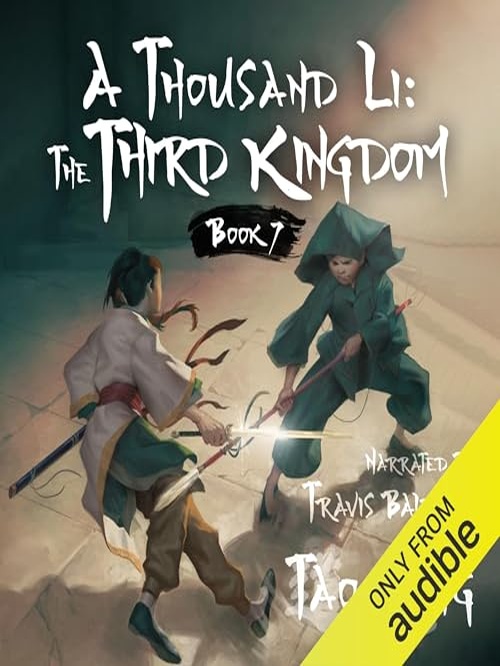
A Thousand Li The Third Kingdom Review

User ask review. I write. Text follow smart rules. Fluff die.

Exile And Epiphany: Dao Redefined

Verdant Green Waters Sect banish Long Wu Ying. Exile force growth. We witness journey.

Paradigmatic Shift In Progression

Tao Wong construct narrative arc. Arc subvert standard Science Fiction & Fantasy tropes. Wu Ying navigate new politics. New kingdom demand intellectual rigour. Character abandon dogmatic obedience. Cultivator confront evil cultivation sects. Encounters create visceral impact. Author blend westernized cultivation with classic Fantasy. Nuanced perspective emerge. Observe transformation.

Crucible Of Inner Center

Outer world isolate Wu Ying. Isolation test spirit. Cultivator must find dao center. Failure erase legacy. We observe profound psychological trial. Inner clarity outrank martial arts. Seek truth.

Unapologetic Assessment

I judge A Thousand Li: The Third Kingdom masterful. Text redefine xianxia genre. Travis Baldree elevate narrative. Audible Studios produce well. Duration 10:37:00 feel short. Rating 4.74 validate quality.

Target audience: readers seeking slow-burn intellectual thrillers. Progression fans needing deep character study read book.

Sect close doors. Dao remain. Ponder path. Read book.

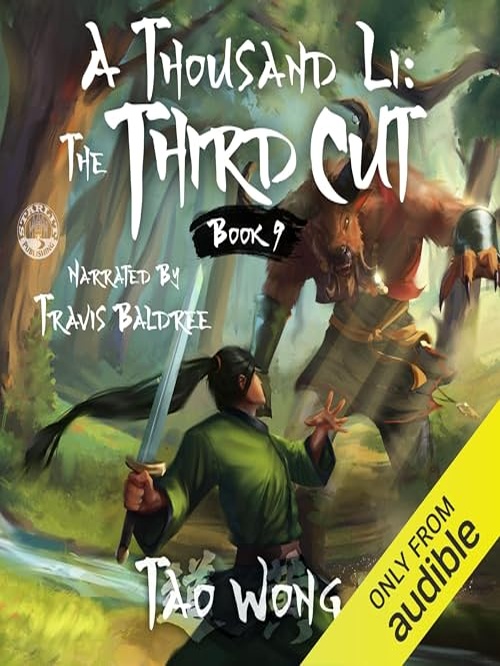
A Thousand Li The Third Cut A Xianxia Cultivation Novel Review

The Serpent’s Coil: Unraveling Corruption in A Thousand Li‘s Ninth Incarnation

In an age increasingly defined by the subtle encroaches of decay, both societal and spiritual, where does one truly seek a wellspring of purity amidst the pervasive taint? Tao Wong‘s latest offering, A Thousand Li: The Third Cut, the ninth installment in his sprawling xianxia cultivation series, plunges us into precisely such a moral and metaphysical crucible. It asks not merely how one battles external evil, but how the very essence of cultivation, of spiritual progression, can itself become warped, reflecting a profound disquiet that resonates far beyond its fantastical realm.

The Unseen Taint: A Metaphysics of Decay

From the opening lines, a chilling premise is established: “An ill wind blows from the South….” This is not merely a localized conflict; it is an existential threat to the very fabric of the spiritual world. Wong masterfully introduces the concept of corrupted spirit stones and “twisted daos,” turning what could be a simple quest narrative into an investigation of metaphysical pollution. We are forced to consider the vulnerability of even the most fundamental elements of power and enlightenment. This pervasive corruption emanating from Nanyue serves as a brilliant narrative device, allowing Wong to explore the moral ambiguities inherent in power and the insidious nature of decay. It prompts us to ponder: if the very building blocks of spiritual progress can be tainted, what hope remains for the uncultivated? The author’s ability to imbue the fantastical elements of xianxia with such weighty philosophical undercurrents elevates The Third Cut beyond mere genre fare.

Wu Ying’s Odyssey: A Cultivator’s Progress in Perilous Lands

Our protagonist, Wu Ying, returns, not as a static hero, but as a evolving instrument against this encroaching darkness. Guided by the mystical “wind of heaven,” his journey through this exotic kingdom is less about brute force and more about discernment. He confronts not just formidable foes, but “powerful daos and perilous threats” that demand a deeper understanding of the cultivation path itself. This installment particularly shines in its portrayal of Wu Ying’s intellectual and spiritual growth. He is compelled to analyze, to question, to understand the nature of the corruption, rather than simply parry its manifestations. The inclusion of “companions new and old” enriches this odyssey, providing both foil and reinforcement, reminding us that even in individual cultivation, community and shared purpose hold their own vital dao. Wong‘s narrative rhythm here is exceptional, balancing moments of intense action with periods of introspective reflection, mirroring the very ebb and flow of cultivation itself.

Crafting an Esoteric Tapestry: The Allure of the Far East

As with previous entries in A Thousand Li, The Third Cut continues to enchant with its richly drawn world, a hallmark of wuxia and xianxia literature. Tao Wong, an author already acclaimed for his adeptness in world-building across series like The System Apocalypse and Adventures on Brad, demonstrates here a profound respect for the genre’s traditions while infusing it with his distinct voice. The descriptions of the exotic kingdom are not merely decorative; they become integral to the unfolding mystery. Every landscape, every artifact, seems to whisper of ancient wisdom and present danger. For enthusiasts of immortal cultivation and wondrous martial art styles, this is familiar territory, yet Wong manages to keep it fresh, compelling us to dive deeper into the arcane mechanics of spirit beasts and the complex hierarchies of cultivation. The immersive quality of the prose ensures that we are not merely reading about a world, but experiencing its ethereal dangers and its fleeting beauties.

A Journey Worthy of the Dao

A Thousand Li: The Third Cut is, in my estimation, a potent testament to the enduring appeal and evolving sophistication of the xianxia genre. It is a work that manages to be both deeply entertaining and subtly thought-provoking, a rare alchemy in any literary endeavor. Wong has not just maintained the series’ momentum but has deepened its thematic resonance, presenting a narrative that challenges the very foundation of spiritual progress. The experience, further enhanced by the masterful narration of Travis Baldree, who consistently brings nuanced texture to Wong‘s intricate worlds, is one of immersion and intellectual engagement.

For Whom the Spirit Stones Call

This novel is an absolute must-read for existing fans of the A Thousand Li series, as it meticulously expands upon established lore and character arcs. However, it also serves as a compelling entry point for those curious about the philosophical depth that xianxia can offer beyond its surface-level appeal of martial prowess and mystical powers. It is perfect for readers who appreciate narratives where the external conflict mirrors an internal struggle, where power is not merely accumulated but understood, and where the purity of one’s path is constantly under scrutiny.

Beyond the Veil of Cultivation

As we conclude Wu Ying’s latest ordeal, one is left to ponder: what echoes of Nanyue’s corruption resonate within our own contemporary spheres? Can we, too, discern the subtle twisting of values, the tainting of foundational principles, before the ill wind becomes an uncontainable storm? The Third Cut provides not just an escape into a richly imagined world but a potent allegory for our times, inviting us to look closely at the integrity of our own chosen paths.

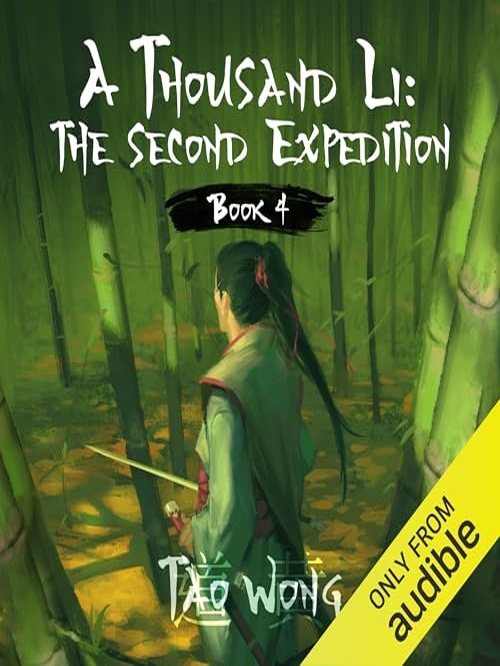
A Thousand Li The Second Expedition Review

Ascending Peaks: Philosophical Critique of Second Expedition

Society pursues power to achieve dominance. A Thousand Li: The Second Expedition mirrors modern ambition. Tao Wong pens narrative. Travis Baldree delivers auditory experience. Text occupies Science Fiction & Fantasy and Fantasy domains. We dissect narrative to find truth. Story transcends progression tropes.

Paradigmatic Shift in Martial Progression

Core analysis reveals transformative insights. Book structure rejects immediate gratification to build thematic tension.

First insight emerges. Wu Ying embodies nuanced perspective. Character faces internal stagnation. External battles symbolize psychological friction. Intellectual rigour drives character choices. Protagonist questions martial dogmas to forge unique path.

Second insight manifests. Narrative arc bends toward philosophical inquiry. Tao Wong constructs world lacking clear moral binaries. Decisions carry heavy tolls. Visceral impact hits during quiet moments. Action scenes serve thematic depth.

Third insight solidifies. Progression requires sacrifice. Book explores isolation accompanying power to challenge conventional wisdom. Text subverts genre expectations.

Final Evaluative Synthesis

We judge text. Impact runs deep. Work stands monumental within Science Fiction & Fantasy. Prose demands engagement. Audio performance elevates emotional resonance.

Target audience remains clear. Book exists perfect for readers desiring slow-burn intellectual thrillers. Text serves minds seeking unconventional wisdom.

Final question arises. Pursuit of power erodes humanity? Reader must confront truth to understand self. Read text.