A Faerie’s Gambit: Unveiling the Shadows of Desire and Dominion
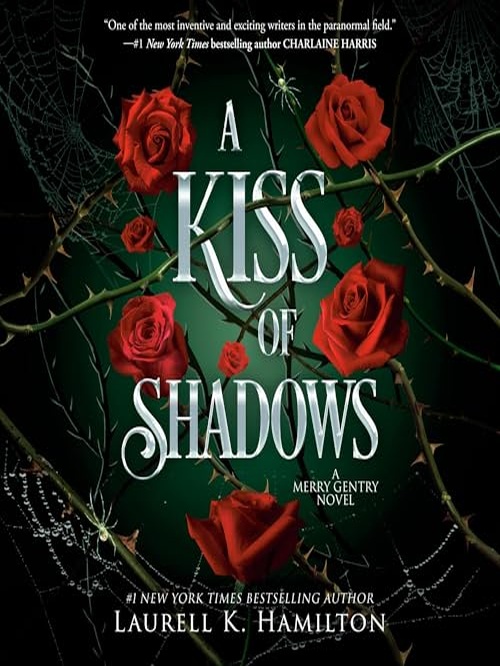
The modern metropolis often serves as an unsuspecting canvas for tales of the fantastical, yet few narratives plunge us into its mythical underbelly with the audacious sensuality and intricate political intrigue found in Laurell K. Hamilton‘s A Kiss of Shadows. This debut into the Merry Gentry series is not merely another foray into urban Fantasy; it is a sophisticated, often disquieting, exploration of power, identity, and the very nature of desire, draped in the shimmering, dangerous allure of the fae.
The Mundane Veil and the Royal Summons
Our introduction to Merry Gentry finds her living a carefully constructed double life in Los Angeles, a private investigator specializing in supernatural phenomena—a decidedly mundane existence for a princess of the High Court of Faerie. This initial dichotomy, between the gritty reality of L.A.’s streets and the ethereal lineage she attempts to conceal, immediately piques our interest. Yet, as the Queen’s assassin, a figure of undeniable menace and charm, arrives to reclaim her, the illusion shatters. Merry is summarily thrust back into a world where politics are as deadly as magic, and where her very existence is a pawn in her dreaded aunt’s Machiavellian schemes. The premise is stark: produce an heir, claim the crown, or face certain death. Such is the high-stakes game for dominion in Faerie.
A Court of Shifting Alliances and Unapologetic Sensuality
Hamilton masterfully constructs a Faerie realm that is both breathtakingly beautiful and disturbingly brutal, challenging idyllic notions of elvenkind. This is no pastoral idyll; it is a court steeped in ancient feuds, where beauty masks treachery and immortality breeds a unique brand of ennui and cruelty. One of A Kiss of Shadows‘s most compelling aspects is its unflinching gaze at the intersections of power and carnal desire. Merry’s predicament forces her into the constant company of the most exquisite immortal men, each a potential suitor, ally, or rival. The novel delves into these complex relationships with an honesty that is both refreshing and, at times, provocative. Hamilton does not shy away from the visceral impact of these interactions, crafting a narrative where the personal is profoundly political, and physical intimacy is as much a weapon as it is a bond. This nuanced exploration positions A Kiss of Shadows as a significant work within the Romance and Fantasy genres, pushing boundaries in its portrayal of female agency amidst intense pressure.
The Penumbra of Purpose: Hamilton’s Distinctive Voice
The stylistic choices within A Kiss of Shadows underscore its unique narrative ambition. Laurell K. Hamilton employs a prose that is both evocative and direct, capable of conjuring lavish fae courts and the mundane grit of human existence with equal dexterity. Her strength lies in building a world that feels simultaneously ancient and contemporary, populated by characters whose motivations are often ambiguous, reflecting the morally grey landscape they inhabit. We witness Merry’s internal struggle with her heritage, her burgeoning power, and the terrifying prospect of her impending role, all rendered with a psychological depth that elevates the narrative beyond mere plot points. The author’s ability to interweave intricate world-building with moments of raw emotional vulnerability and thrilling action sequences ensures that the pacing remains taut, drawing the reader deeper into Merry’s perilous journey.
A Reckoning with Royalty and Recompense
Ultimately, A Kiss of Shadows is more than just a captivating story of a princess fighting for her crown; it is a meditation on the nature of destiny and the choices one makes when survival hangs in the balance. We emerge from Hamilton‘s world both thrilled and contemplating the burdens of power and the intricate dance between duty and desire.
For discerning readers who crave a Fantasy that dares to entwine raw passion with regal duty, who are unafraid of protagonists navigating morally ambiguous terrains, A Kiss of Shadows offers a potent draught. It is a necessary read for those who seek to understand how myth can be re-forged for a modern sensibility, leaving us to ponder: what depths would we plumb, and what shadows would we embrace, to truly claim our rightful place?